AURELUNE Guide
How to Read Natural Variation in Crystals Before You Choose a Sphere or Handmade Jewelry Piece
Natural crystals rarely look identical from piece to piece. The real skill is not hunting for sterile perfection, but learning which differences signal character, which ones change the mood of a piece, and which questions you should ask before you buy.
Editor's Note
A practical guide to color zoning, inclusions, polish, and disclosed treatments so you can choose crystal spheres, pendants, bracelets, and gift pieces with clearer eyes.
Four ways natural variation shows up
Across raw crystal objects, translucent bracelets, wire-wrapped pendants, and decorative crystal trees, variation appears through texture, internal atmosphere, color concentration, and the way a maker frames the stone.
01
What counts as natural variation?
Natural variation usually shows up as tiny internal veils, wisps, pinpoints, growth lines, softer or darker pockets of color, and small shifts in polish from one area to another. On a real stone, those details are not automatically flaws; they are often the visual record of how the mineral formed and how the final surface was shaped.
The more transparent the material, the more obvious those inner details become. The more textured or raw the finish, the more your eye reads silhouette, surface, and color blocks before it reads tiny inclusions. That is why two honest natural-stone pieces can feel very different even when they share a similar symbolic meaning.
02
Why spheres show more than pendants or bracelets
A polished sphere acts like a continuous window into the stone because there are no corners, prongs, or wire frames interrupting your view. You notice clouds, zoning, and tiny internal fractures from multiple angles as light rolls around the curve.
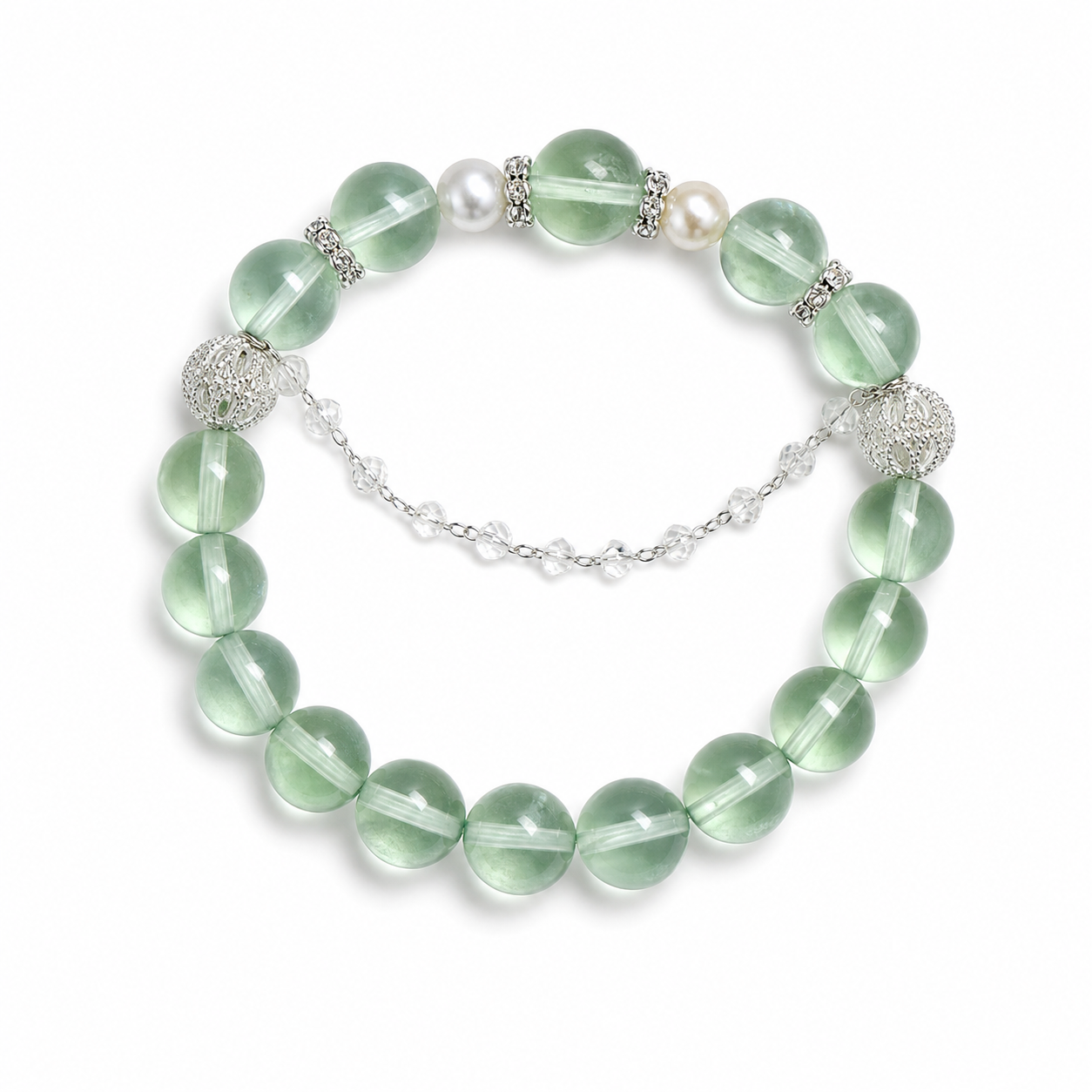
Handmade jewelry edits that experience. Wire, knots, bead drilling, and metal settings turn the stone into part of a composition, so you read proportion, contrast, and movement as much as clarity. If you like a clean, watery look, compare that instinct with the translucent softness of the Green Fluorite Pearl Bracelet: https://www.aurelunegems.com/products/green-fluorite-pearl-bracelet
03
What to ask about treatments before you commit
A careful buyer does not need every stone to be museum-perfect, but they should want honest disclosure. Ask whether the color is natural-looking or altered, whether a coating or dye is present, and whether any filling, stabilization, or heat-related finishing changes how the piece should be stored or cleaned.
That question matters most when you are comparing unusually even tones, unusually bright color, or dramatic surface effects. A treated piece can still be beautiful and meaningful, but the treatment should not be hidden behind vague language.
A five-point check before you buy or gift
- 1Look at the piece in soft light first, then in stronger light, so you can separate color mood from surface glare.
- 2Decide whether you care more about internal clarity, surface sparkle, or overall silhouette.
- 3Ask yourself whether the most visible variation adds depth and personality or simply distracts you.
- 4Request treatment and care details before assuming every bright or even color behaves the same way over time.
- 5Match scale to use: larger polished forms emphasize clarity for display, while framed or beaded pieces balance the stone with design.
04
Match variation to story, not to perfection
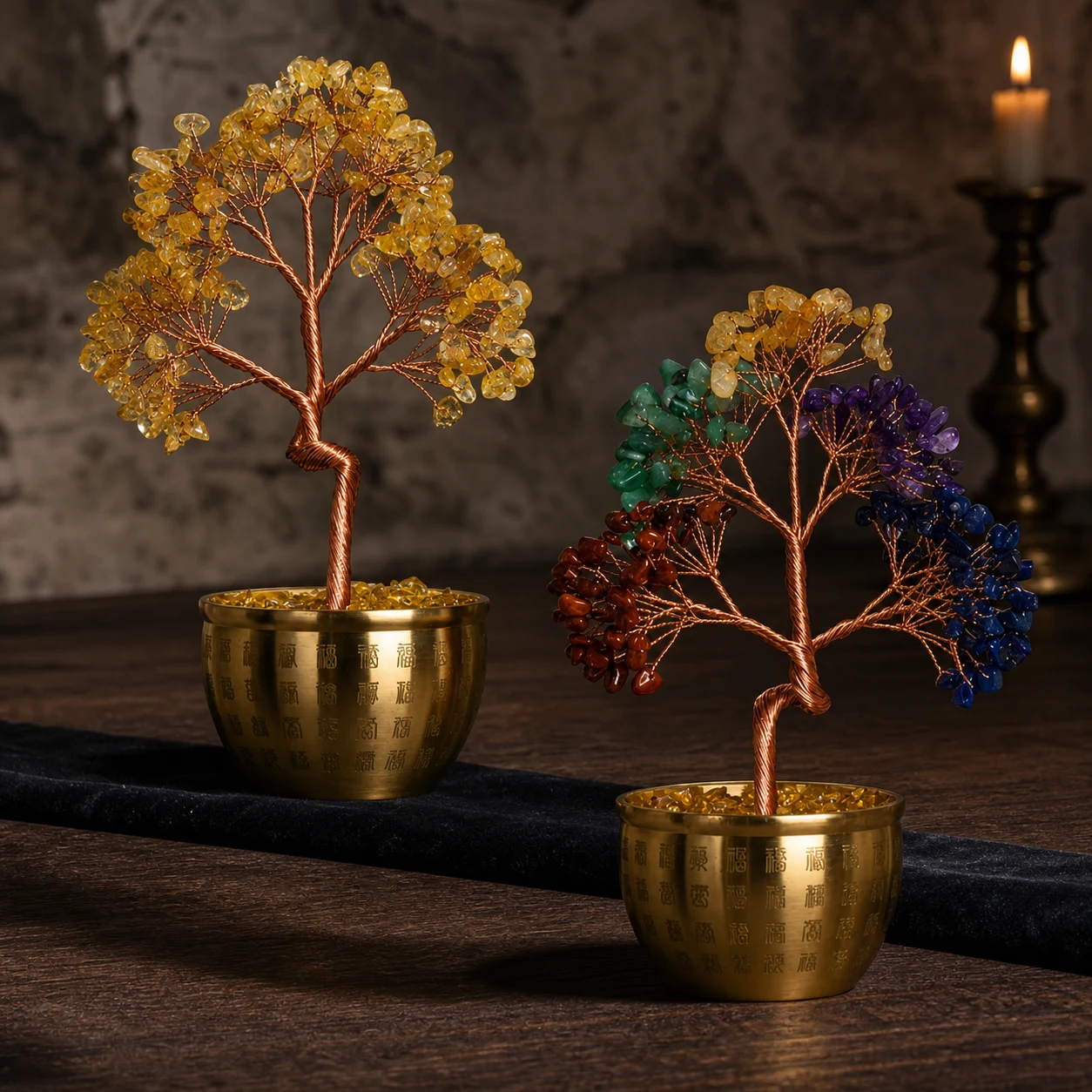
A gift feels more personal when the stone's character matches the recipient's taste. Someone who loves symmetry and restraint may prefer calmer transparency in a bracelet or a pendant with a clear focal stone. Someone who enjoys ritual objects and shelf styling may love layered color and branch rhythm in the Hundred Blessings Crystal Tree: https://www.aurelunegems.com/products/black-gold-super-seven-amber-nanhong-silver-bracelet
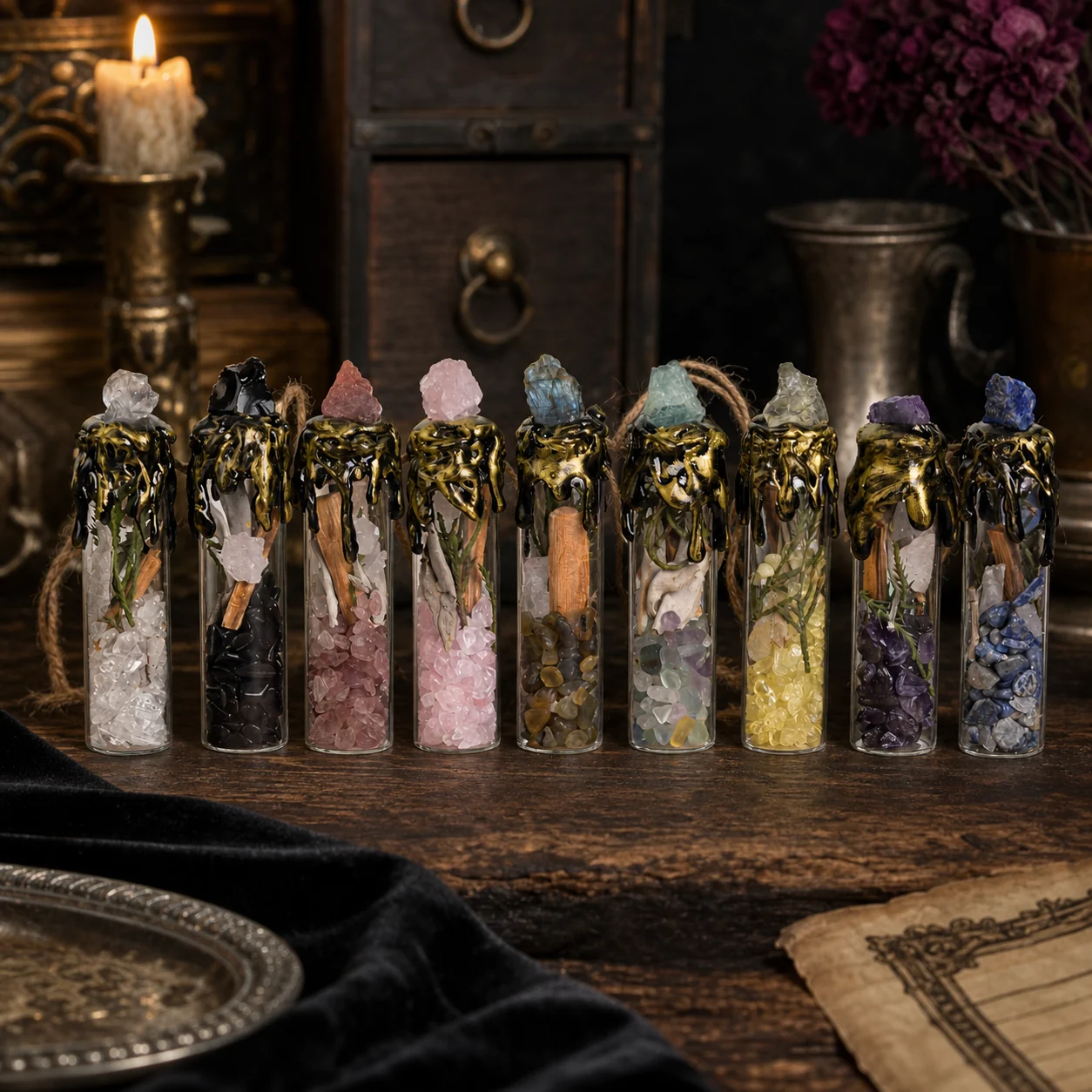
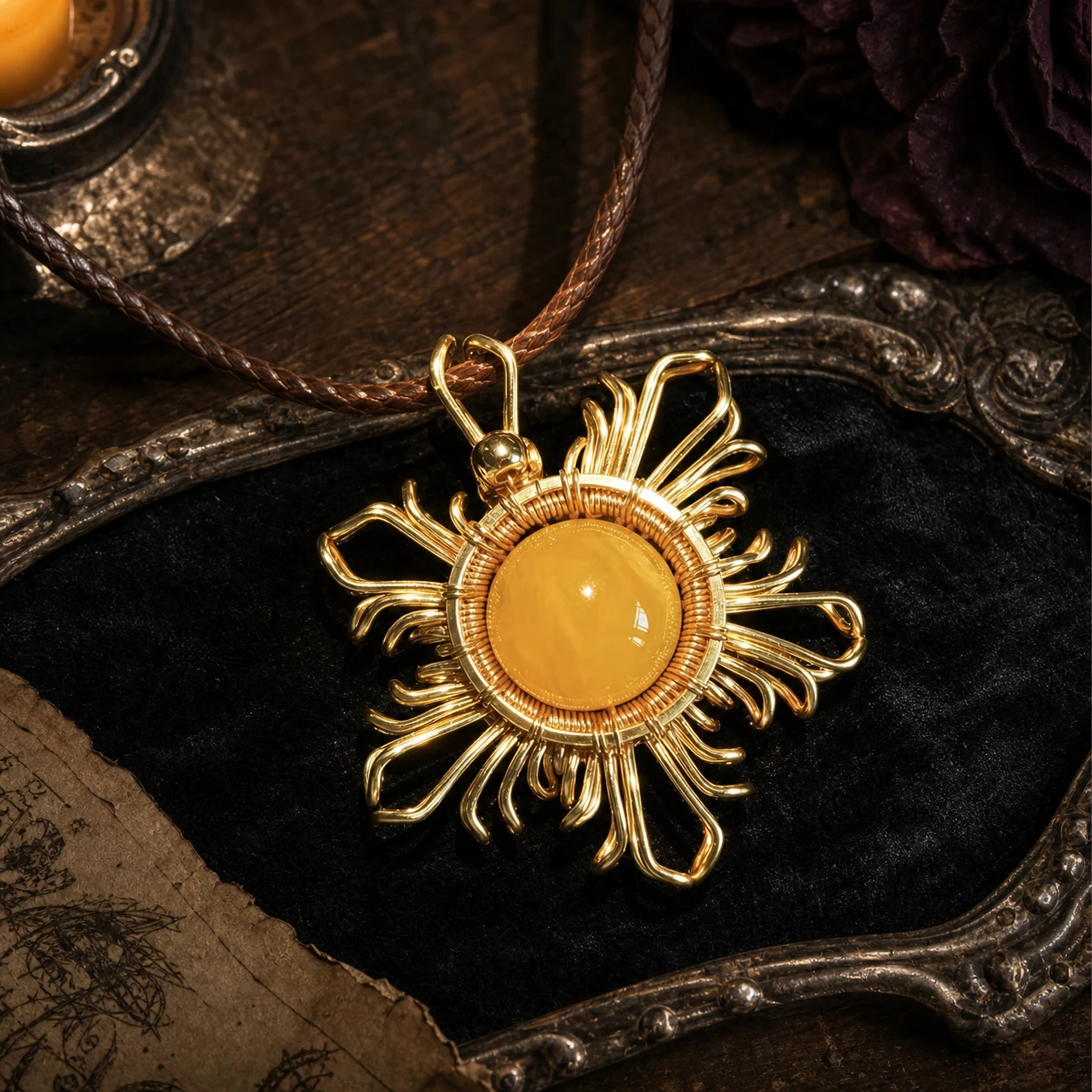
If you are drawn to raw edges and a more tactile, collected feeling, the Raw Crystal Intention Bottle leans into that language: https://www.aurelunegems.com/products/raw-crystal-intention-bottle. If you want a warmer framed focal stone, the Golden Sunflower Crystal Pendant shows how wirework can turn natural variation into design emphasis rather than something to hide: https://www.aurelunegems.com/products/golden-sunflower-crystal-wire-wrapped-pendant
For follow-on reading, pair this guide with https://www.aurelunegems.com/guides/how-to-choose-crystal-focal-stone-wire-wrapped-pendant and https://www.aurelunegems.com/guides/how-to-store-crystal-spheres-and-handmade-jewelry
The right crystal does not need to look identical to every other one. It needs to feel convincing from the angle you will actually live with.
Search focus
Use this guide when comparing crystal sphere clarity, gemstone inclusions, polished versus raw texture, and disclosed treatments for handmade jewelry or small crystal gifts.
AURELUNE Studio
Ready to personalize the fit?
Open the DIY builder to choose stones, preview spacing, and save a bracelet around your wrist size.